
Where to put a side table: 6 tips for the right height and placement
A side table is one of the smallest pieces of furniture in a home, yet it is the one you notice most when it is in the wrong place: either too far to reach or right in the way when you walk past. These tips are for placing a side table, and similar small furniture, where it is both useful and easy on the eye.
1. Match the height to the sofa arm
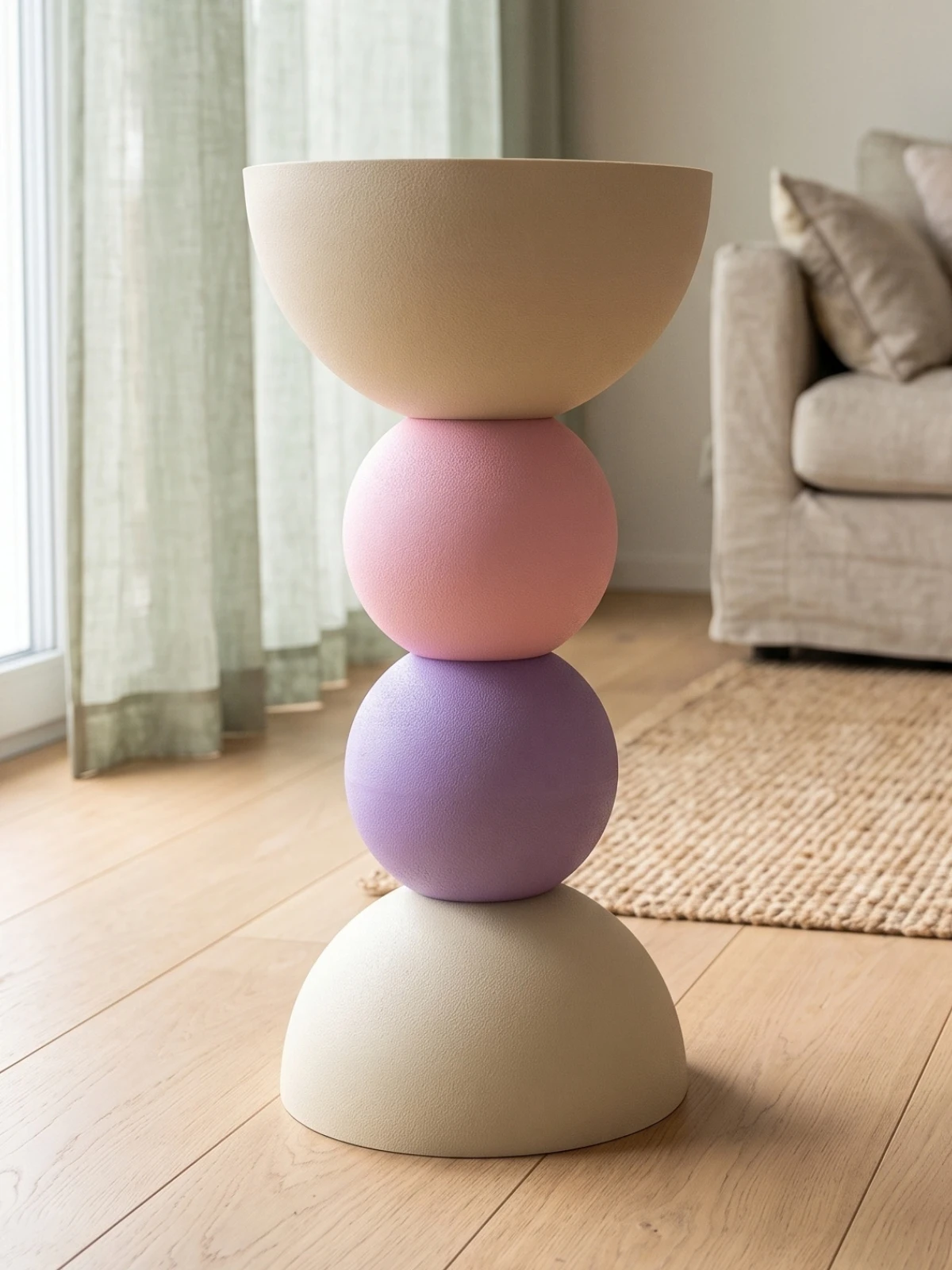
The top of a table next to a sofa should be level with the sofa arm or within a few centimetres of it. A table that is too low makes you lean down; one that is too high stands next to the arm like a wall. Most sofas have an arm height of around 55–65 cm, so measure your own before choosing. At 60.5 cm, the ORBI Side Table, for example, sits right in the middle of that range.
2. Keep it within reach
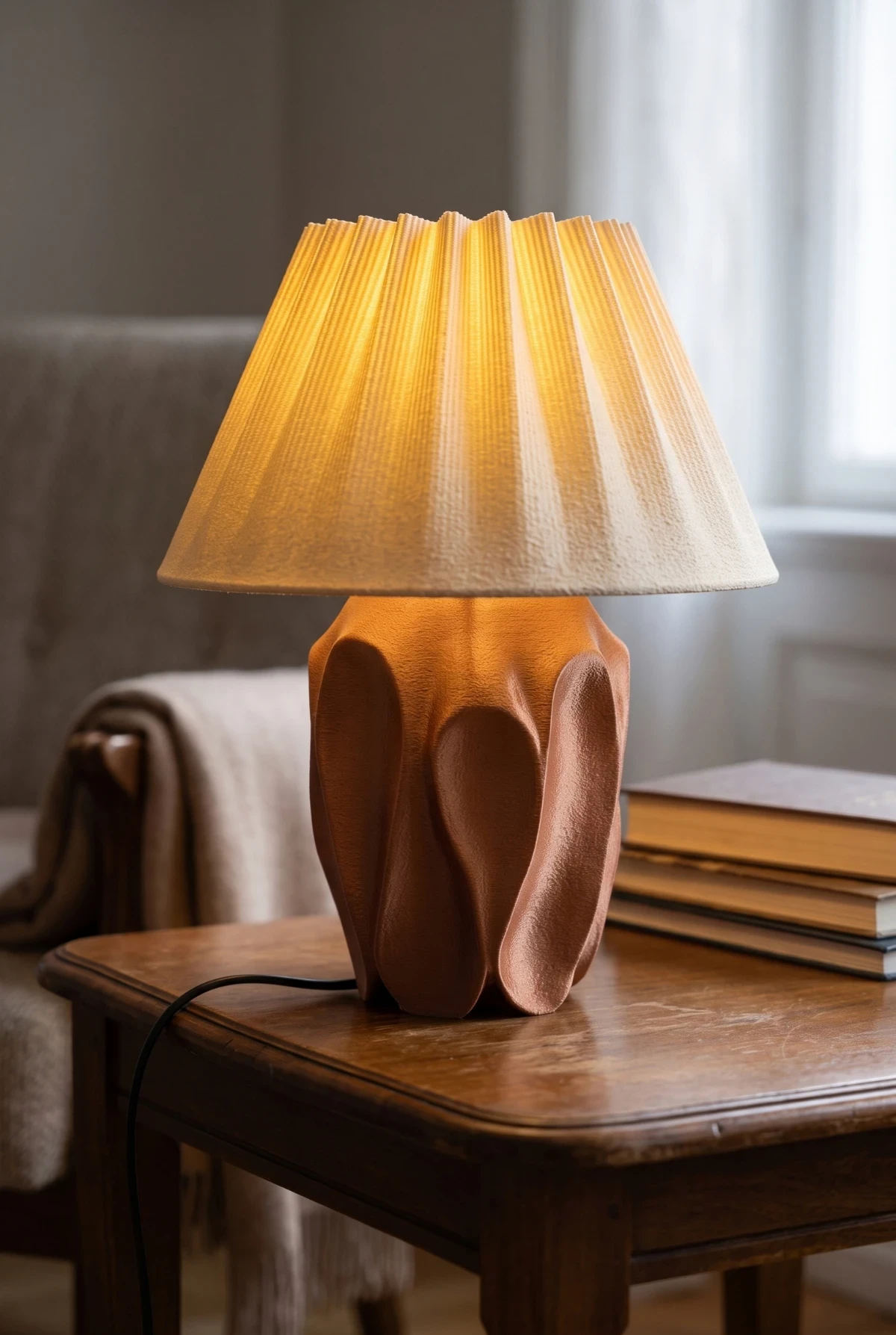
You should be able to reach a side table by stretching out an arm, without getting up. Placing it about 5–10 cm from the sofa arm is a good starting point. In a reading corner, put the table on the side of the hand that holds the book and on the same side as the reading lamp, so putting the book down and switching on the light become one movement.
3. Next to the bed, follow the mattress
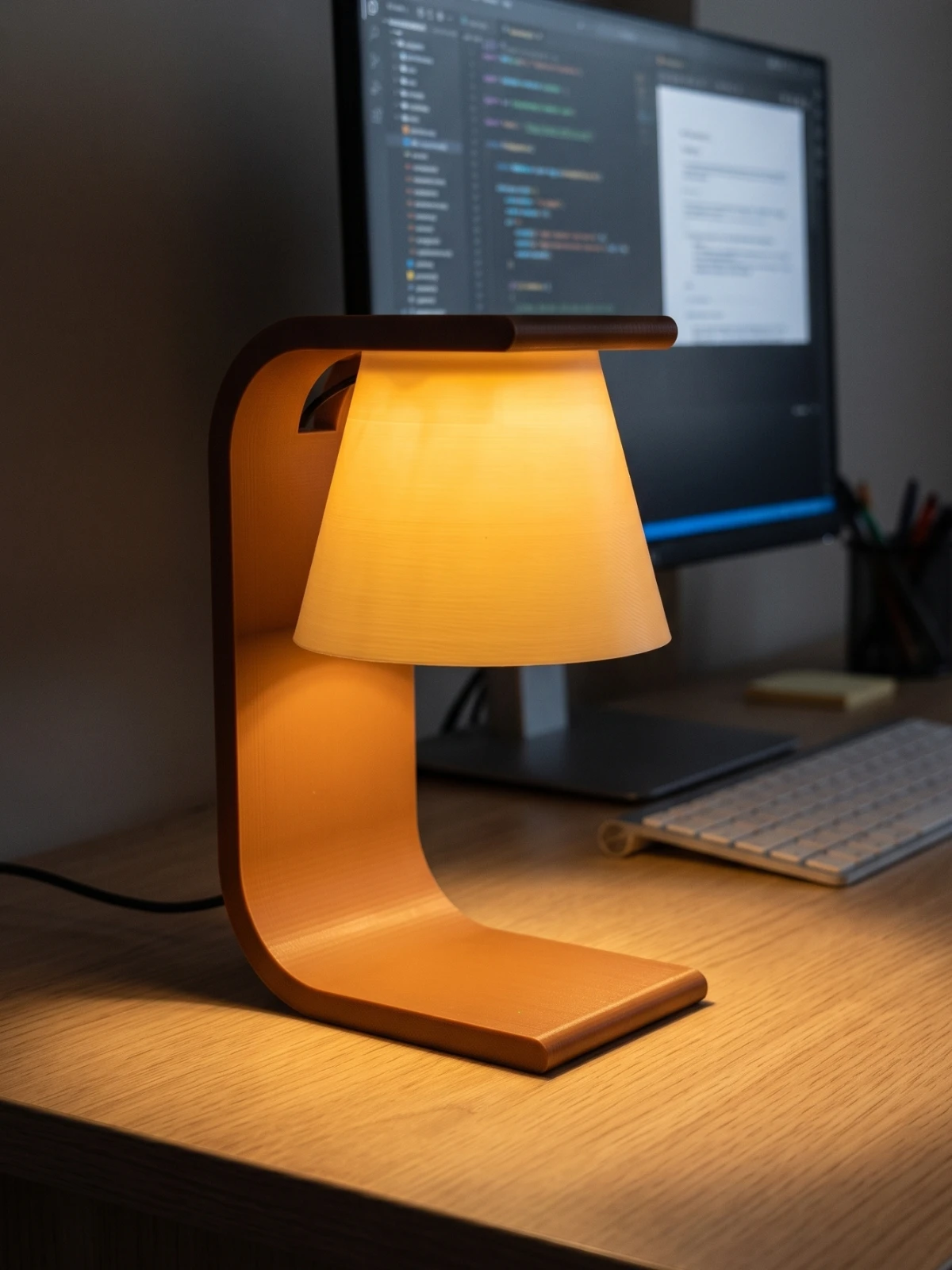
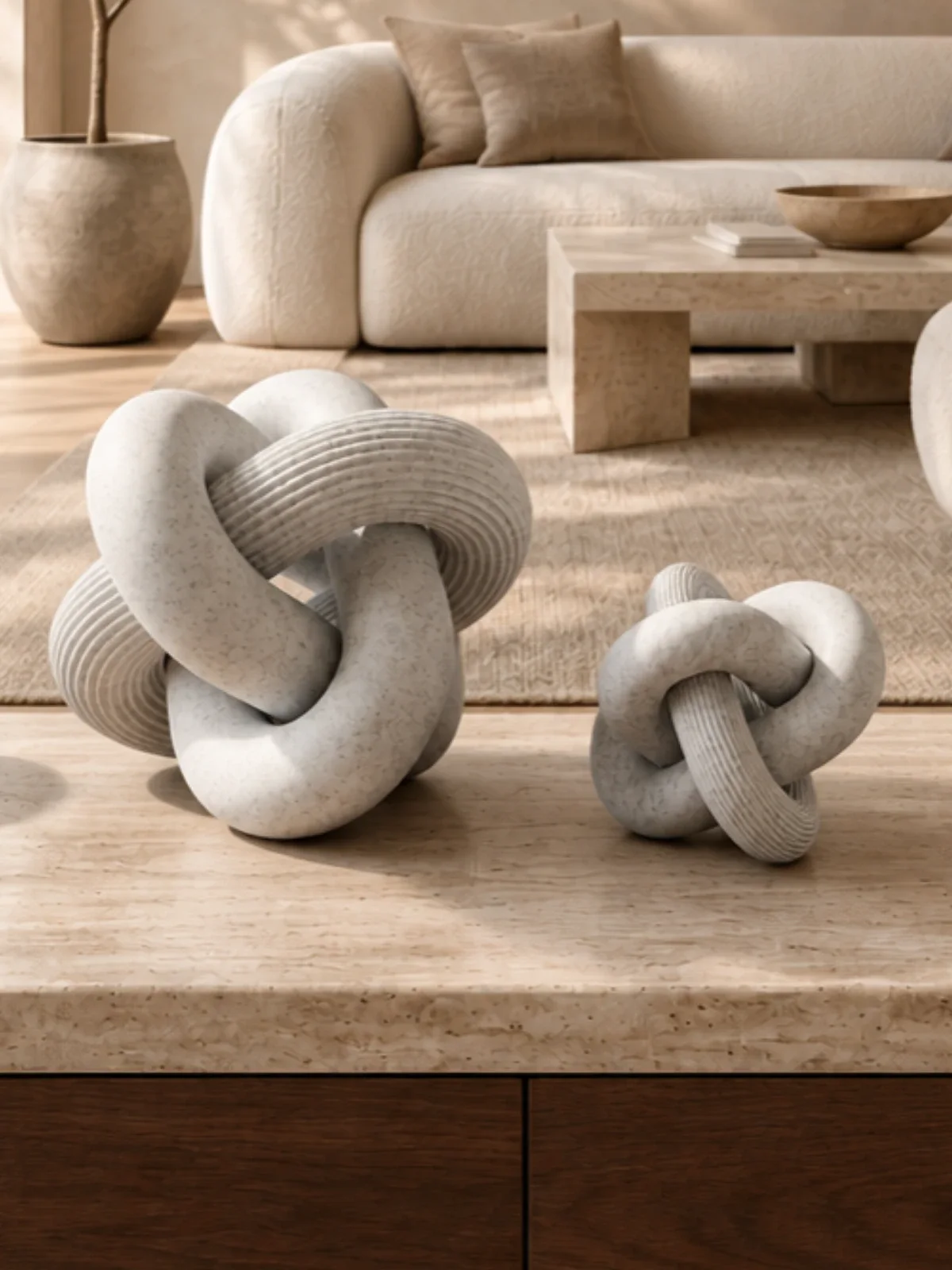
If the side table is going to be a bedside table, measure from the bed: a top level with the top of the mattress or slightly above is the easiest to reach from bed. Leave a small gap between the edge of the bed and the table so the bedding can fall freely. With a table on each side, they don’t have to match; similar heights are enough. A low night lamp such as RETRO suits a side table used by the bed. For a smaller option, the 18 cm tall MOKKA runs on 5V USB; the USB adapter is not included. For a small object beside the lamp, the MUSUBI Sculpture Set has two marble-patterned, 3D printed pieces with an interlocking chain form; as placed, the small piece takes up about 8.5 cm and the large one 12.5 cm.
4. Keep walkways clear
Small furniture causes most trouble in walkways. Leave at least 75–90 cm clear along the main paths through a room, and make sure doors and cabinet doors open freely. A side table belongs next to a sofa or bed; one placed in the middle of a room, between two doors or in front of a balcony door usually narrows the way.
5. A flat floor and a light load
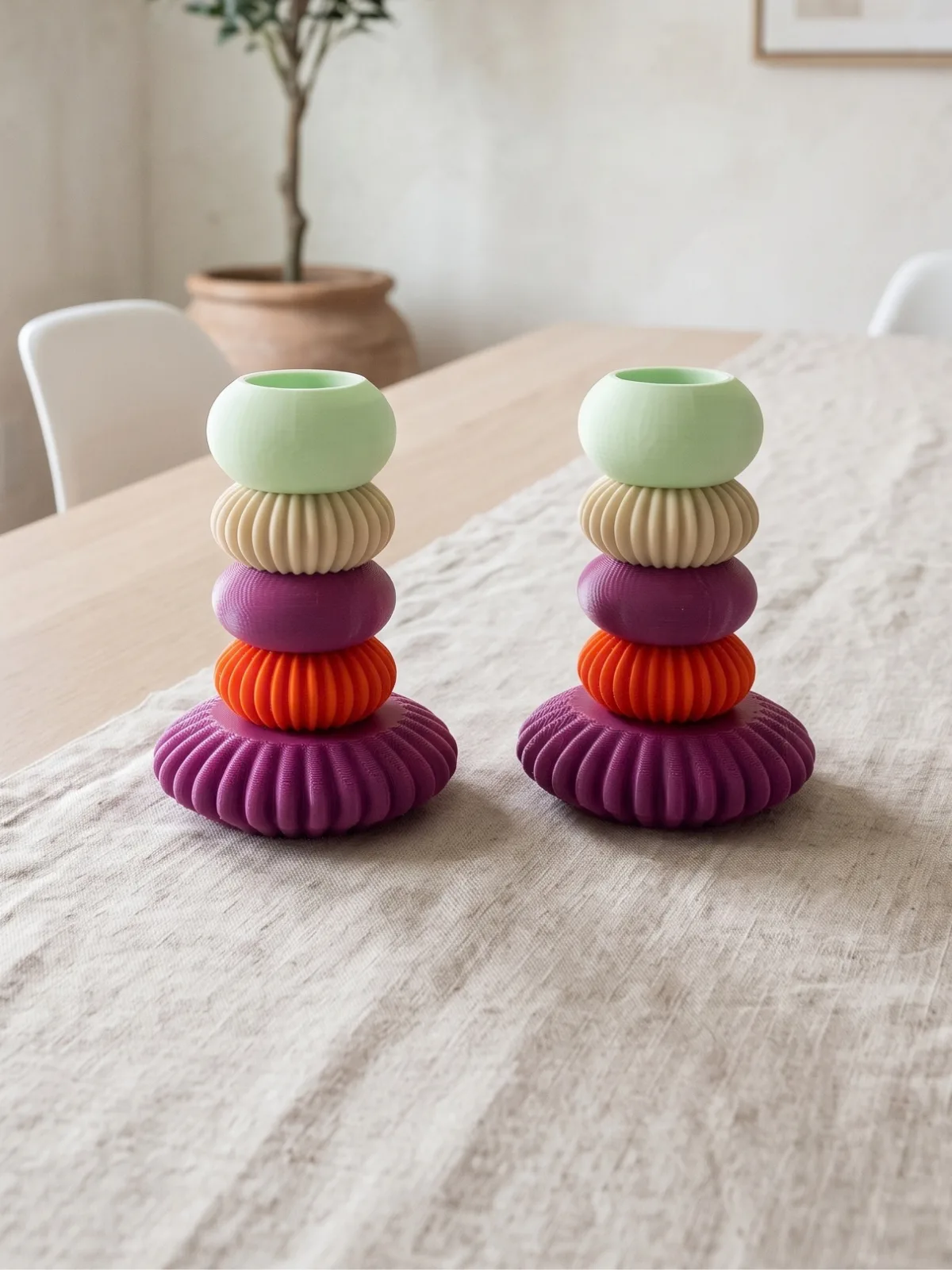
For a table to stand steady, choose a flat, firm floor; tables with a slim base can wobble on a thick shaggy rug. If you use a rug, go for a low-pile one, and place the table fully on or fully off it rather than on its edge. Side tables are mostly meant for light things: a book, a small plant pot or a pair of candle holders like MACARON. Don’t sit on them or go over the load capacity, and with 3D printed tables don’t put hot cups or teapots directly on the top.
6. Balance the shapes, keep it away from heat
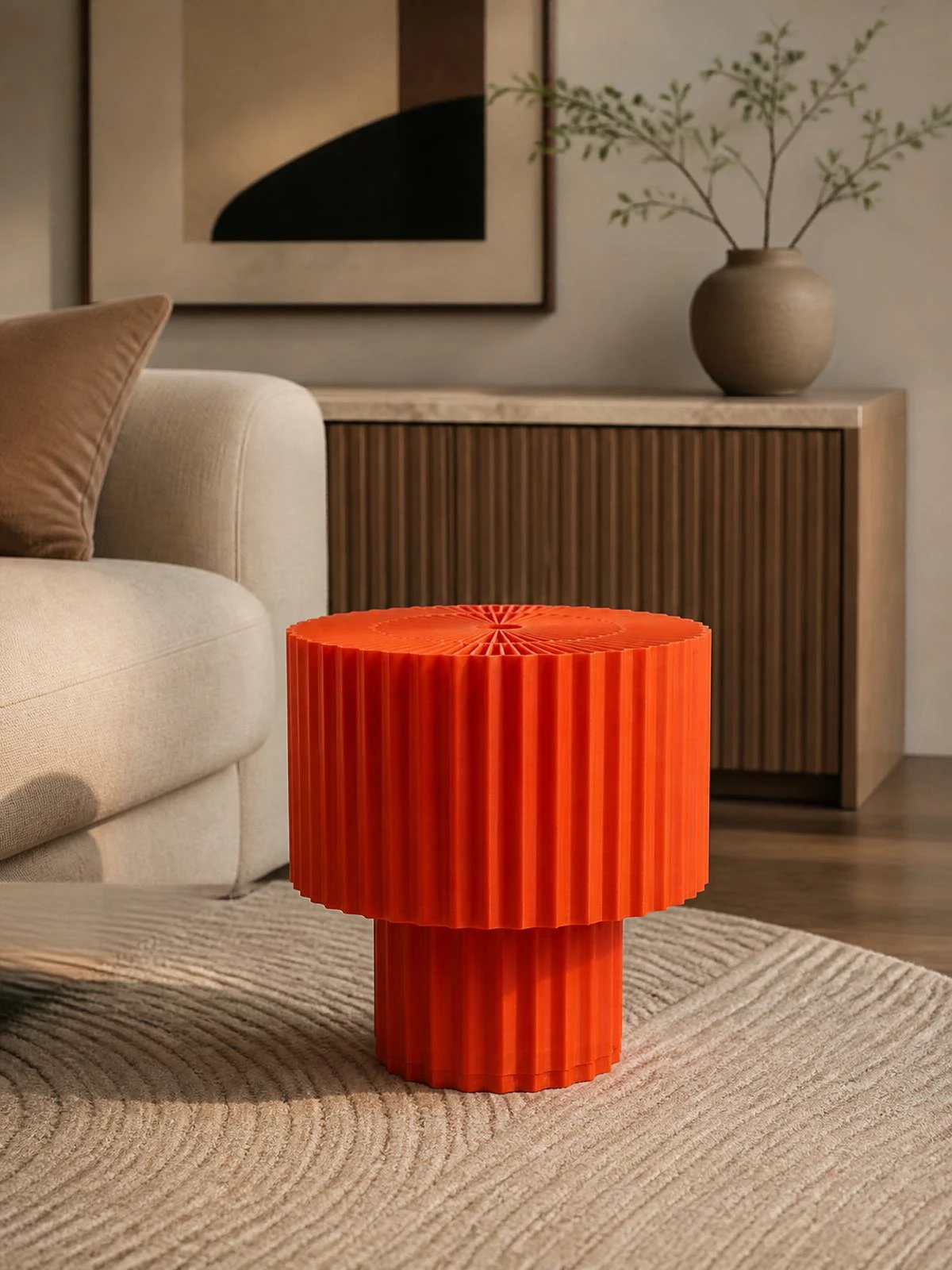
Next to an angular sofa, a round table softens the lines; in a calm, single-colour room, a colourful table becomes the focal point. Repeating its colour once more in a cushion or a throw ties it into the room. When choosing the spot, avoid the space right next to a radiator, a stove or a window in direct sun all day: 3D printed pieces can soften above roughly 55–60 °C, and the sun can fade colours over time. In the evening, a table lamp set beside the table turns the corner into a place to sit.
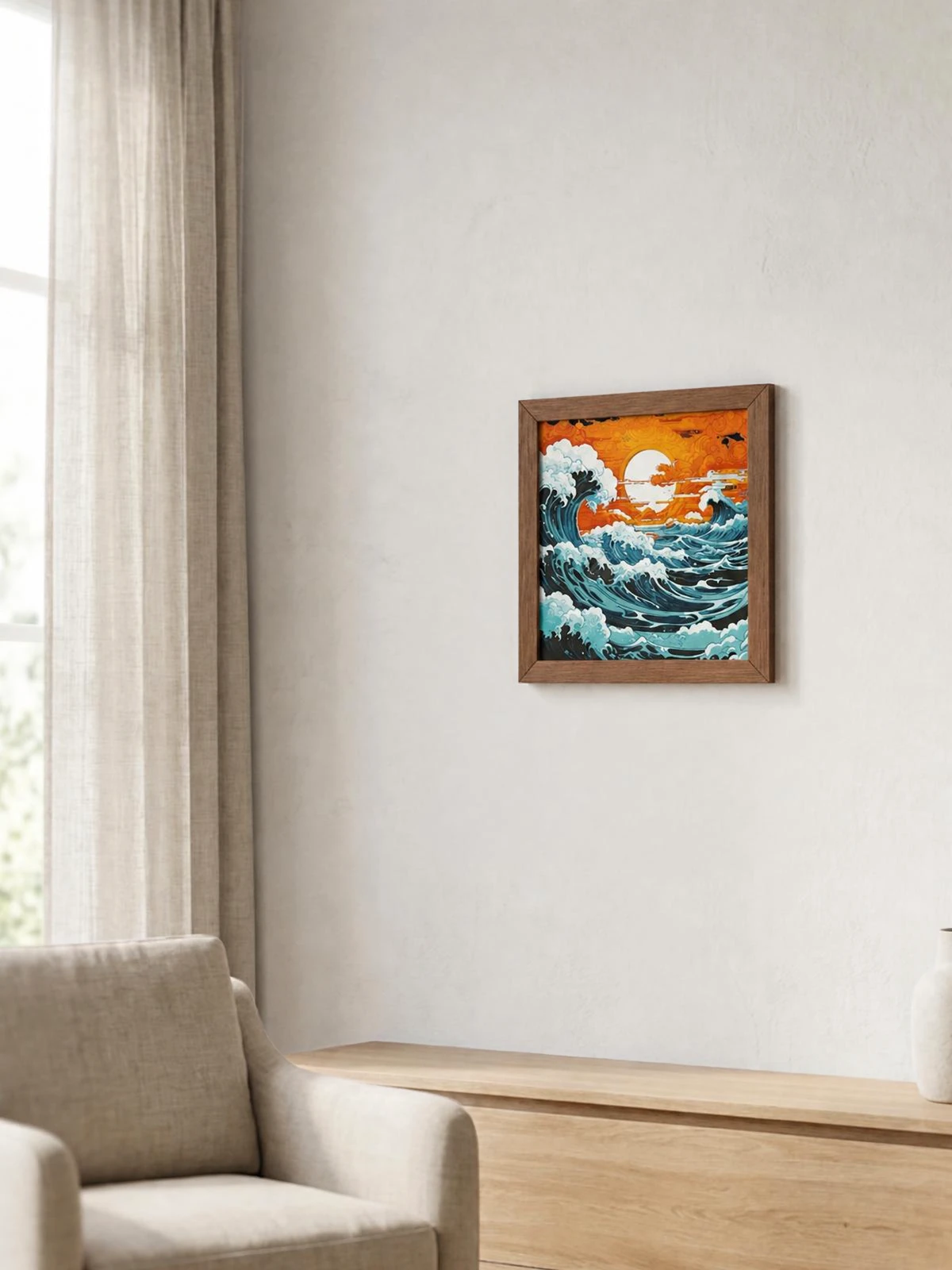
The right height, a reachable distance and a clear path are all a small table needs to earn its place. If you are hanging something on the wall too, such as a small piece like NAMI: Where and how high to hang wall art.