
Where and how high to hang wall art: 6 tips for small pieces
Hung in the right place, a single piece of wall art can change the feel of a room; in the wrong place it gets lost on the wall. With small pieces the difference is even more noticeable. These tips are for finding the best spot at home for wall art of around 25–30 cm.
1. Keep the centre at eye level
The most common mistake is hanging art too high. The usual rule in museums and galleries is to place the centre of the piece about 145–150 cm above the floor, right where a standing person’s gaze falls. Even with high ceilings, don’t stray far from this; the art relates to people, not to the wall.
2. Above furniture, leave 15–25 cm
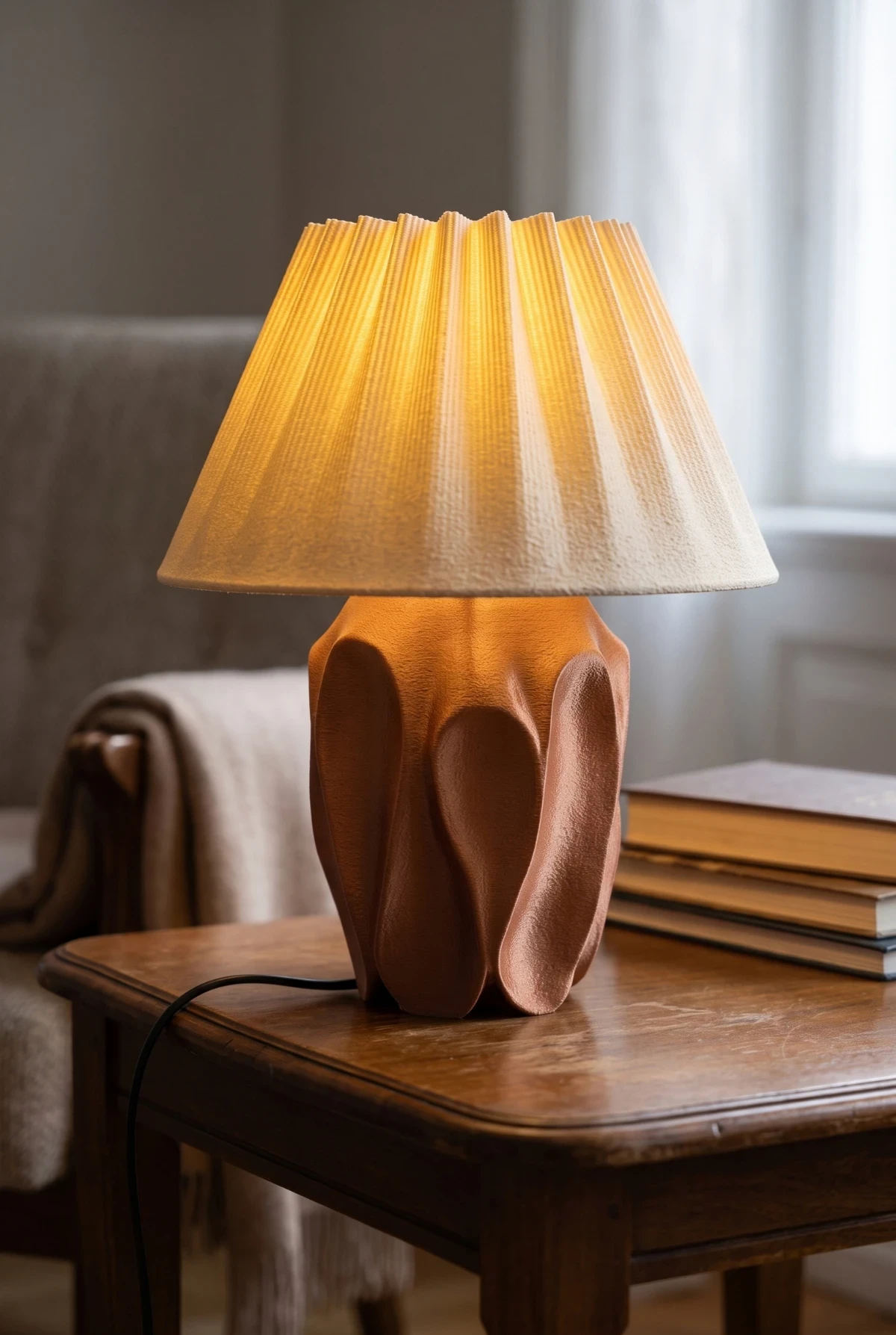
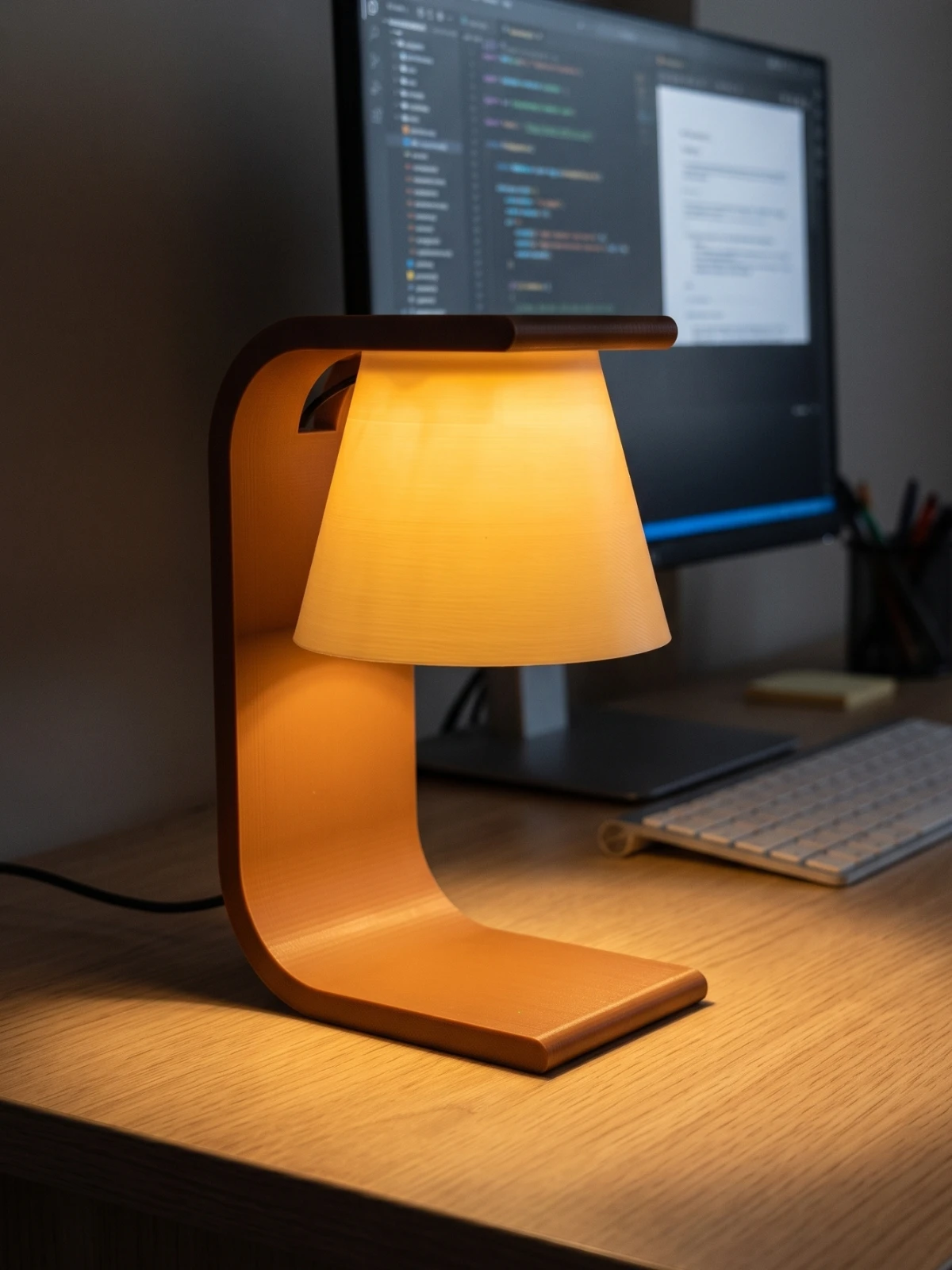
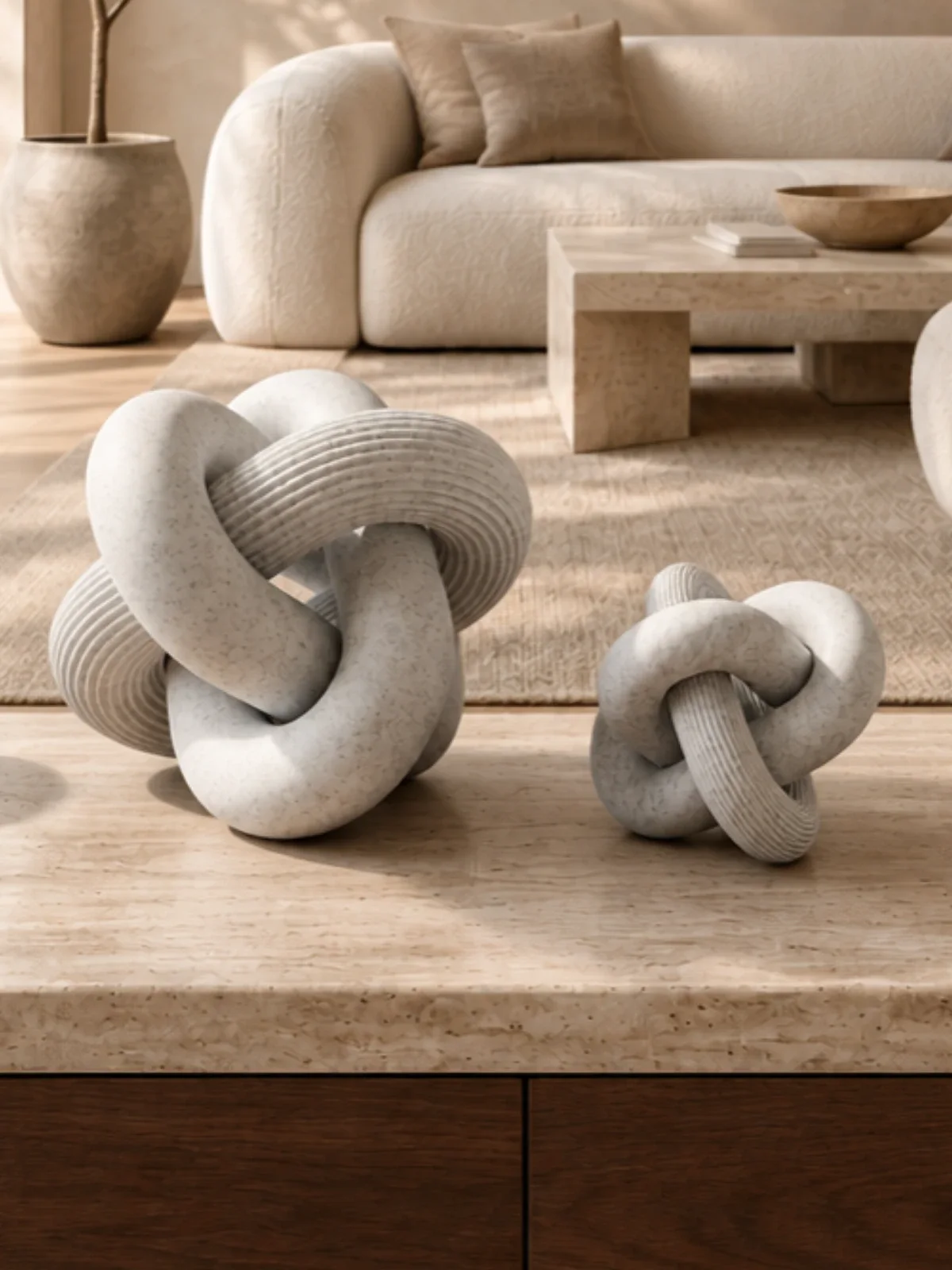
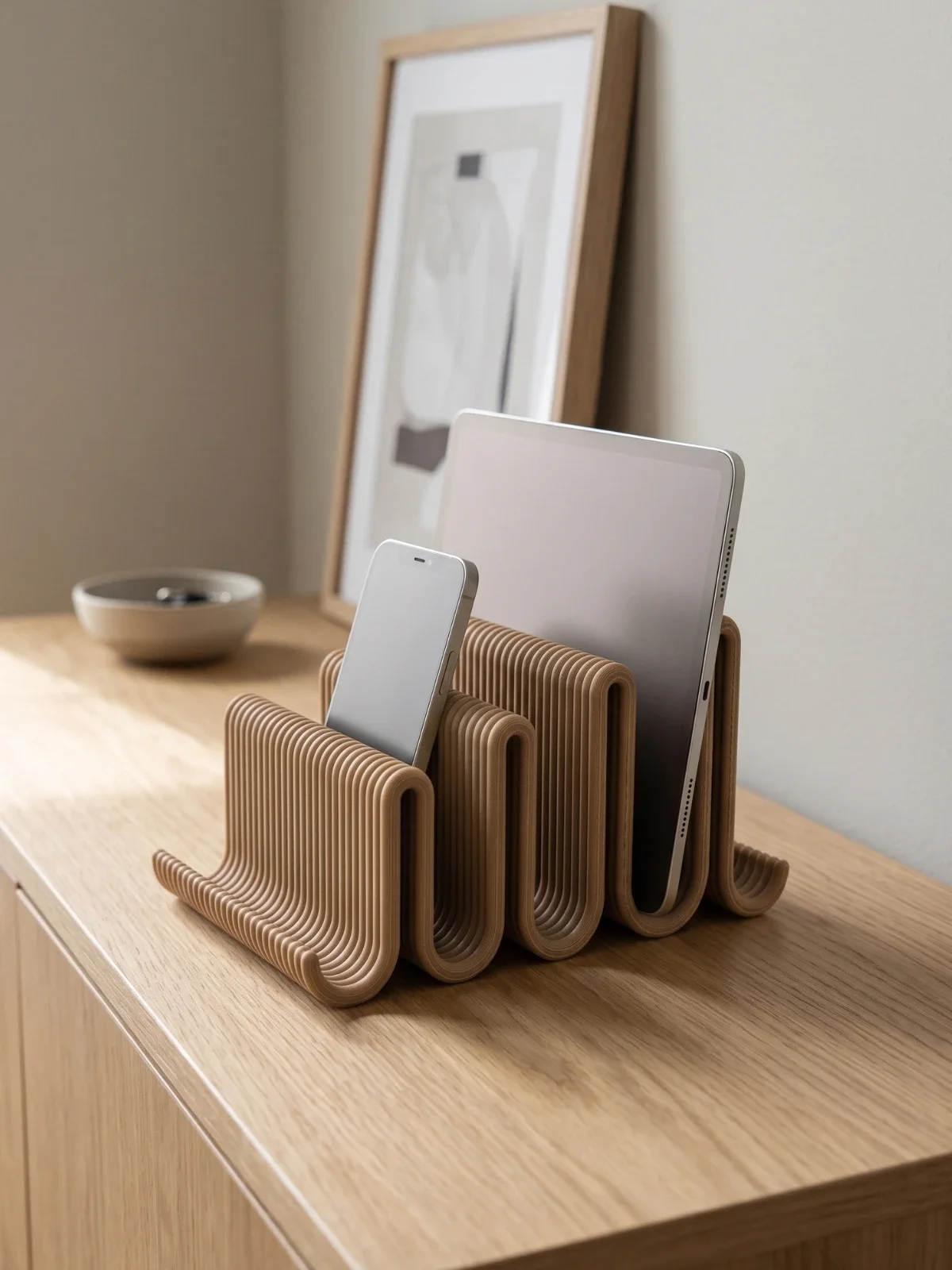
When hanging above a console, sofa or desk, measure from the furniture instead: a 15–25 cm gap between the bottom of the frame and the furniture is a good starting point. Any more and the two stop reading as a pair. Hanging a small piece slightly off-centre and placing a vase or a lamp on the other side keeps things balanced. If you are after a small lamp for the console, the 18 cm tall MOKKA runs on 5V USB; the USB adapter is not included. To put an object there instead of, or next to, a lamp, the MUSUBI Sculpture Set has two marble-patterned, 3D printed pieces, one large and one small, with an interlocking chain form; as placed they take up about 12.5 and 8.5 cm. If the art hangs above a desk, keeping the desk itself clear lets the piece stand out: the TRIO Vertical Stand holds a laptop, a tablet and a phone upright side by side and frees up desk space; it comes in wood-look TRIO OAK, and the devices are not included.
3. Small art, small wall
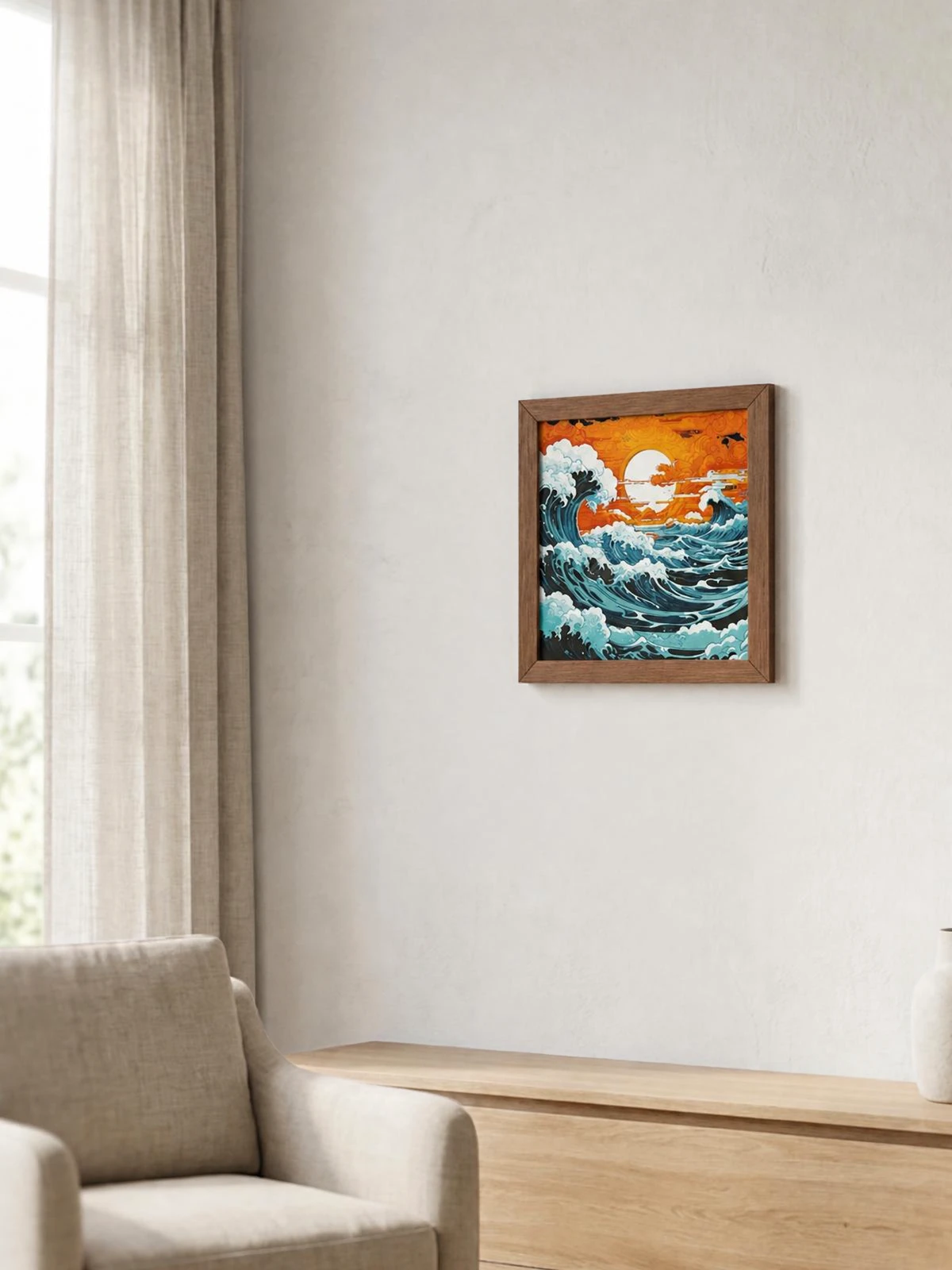
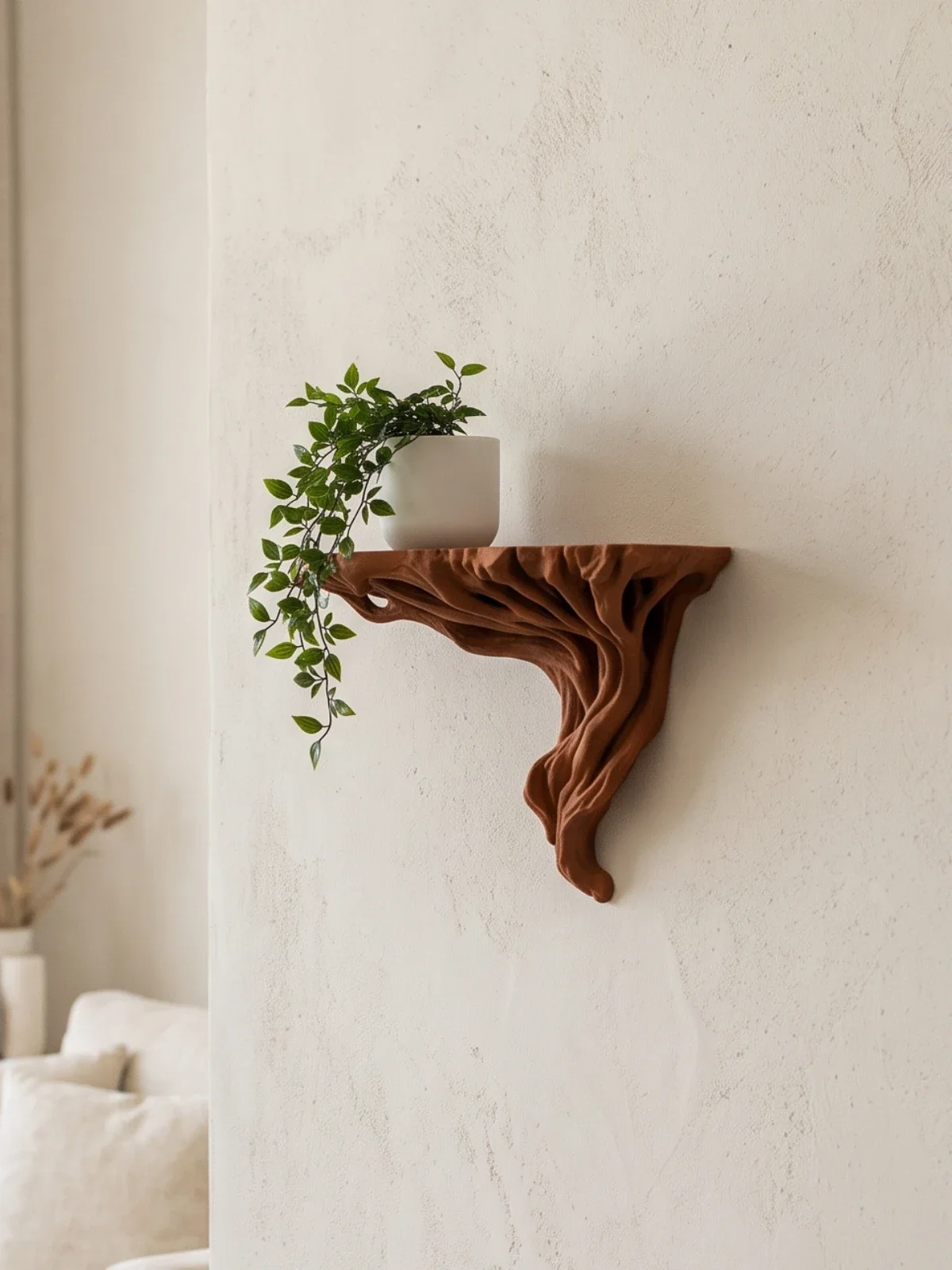
A small piece alone on a wide living room wall disappears into the space. Small art works best on narrow walls: between two windows, next to a door, in an entrance hall, at the end of a corridor or across from a desk. If you want to use a wide wall, think of the piece as part of a group with a shelf, a console or other frames. A small shelf hung next to the art, such as the ROOTS Wall Shelf, adds depth to the group with a plant or an object on top; the same rule applies to shelves: close to eye level and lightly loaded.
4. Let the light come from the side
Layered, relief pieces such as NAMI come alive when light hits the surface from the side: the layers cast shadows and the depth shows. That makes a wall with side light from a window a good choice. In the evening, a table lamp near the piece does the same, while flat light from a ceiling fixture in front makes the surface look flat.
5. Keep it away from sun and heat
Walls in direct sunlight can fade colours over time. 3D printed pieces can also soften at high temperatures, so don’t hang the art directly above a radiator, stove or fireplace. Indirect side light protects the colours and shows the relief better anyway.
6. Test with paper first
Before drilling, tape a sheet of paper the size of the piece to the wall with masking tape and leave it for a day. Looking at it at different times and from different angles makes the right spot obvious. Once chosen, mark it with a spirit level; a light piece hung with a screw and wall plug stays put for years.
On the right wall and in the right light, a small piece of wall art can become the most looked-at corner of a room. A narrow wall, eye level and light from the side are all it takes to start.